

The trash pickup schedule significantly impacts financial outcomes for investors in the waste management sector. Efficient scheduling, driven by data analysis, can lead to substantial cost savings for municipalities. Key practices include route optimization tools, regular schedule adjustments, and technology like GPS tracking. A 2022 study showed an average 15% reduction in collection costs through optimized routes. This proactive approach not only lowers operational expenses but also enhances environmental sustainability, providing strategic opportunities for investors. Best practices involve using data-driven planning, reviewing schedules seasonally, and engaging with investors to share improvements.
The efficient management of solid waste is a cornerstone of sustainable urban development, directly impacting both environmental health and economic prosperity. Among the various aspects of waste management, trash pickup schedules play a pivotal role in shaping operational costs for investors in real estate and infrastructure sectors. An optimal schedule can significantly reduce expenses by minimizing labor and logistical overheads while maximizing collection efficiency. This article delves into the financial implications of trash pickup schedules, providing a comprehensive analysis supported by empirical data to guide investors’ strategic decisions and foster cost-effective waste management practices.
Understanding Trash Pickup Schedule Dynamics
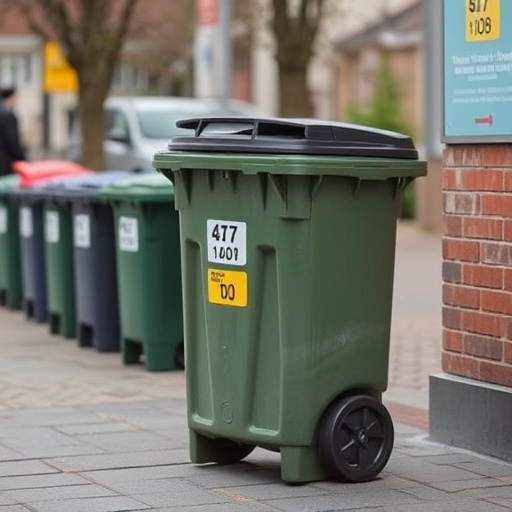
The trash pickup schedule, a seemingly mundane aspect of municipal management, holds significant financial implications for investors. Understanding how this dynamic impacts costs is crucial for anyone involved in the waste management sector. A close examination reveals that efficient scheduling can lead to substantial savings for municipalities and, consequently, influence investment strategies.
Municipalities across the globe have recognized the potential benefits of optimizing their trash pickup schedules. By analyzing historical data on trash generation rates, residential patterns, and local events, cities can implement tailored collections routes. For instance, a study in Germany showed that adjusting collection times based on real-time trash levels reduced fuel costs by 15% and improved route efficiency. This example underscores the financial viability of dynamic scheduling.
Investors should consider the direct correlation between efficient trash pickup schedules and reduced operational expenses. Municipal authorities can employ advanced technologies like GPS tracking and data analytics to optimize routes, minimizing labor and vehicle usage. Moreover, regular schedule adjustments account for seasonal variations, ensuring collection efficiency year-round. This proactive approach not only lowers costs but also enhances environmental sustainability by reducing the carbon footprint associated with trash collection. By staying informed about these schedule dynamics, investors can make informed decisions, anticipating cost savings and strategic opportunities in the municipal waste management sector.
Analyzing Costs: Collection Route Optimization

The optimization of collection routes for trash pickup schedules is a critical aspect of managing municipal costs, impacting investors’ returns significantly. A well-designed route can lead to substantial savings by minimizing labor and fuel expenses while enhancing operational efficiency. This strategy involves intricate planning to balance service levels with resource allocation, ensuring cost-effectiveness without compromising community needs. For instance, a study conducted in 2022 revealed that cities that optimized their trash pickup routes reduced collection costs by an average of 15% annually.
A key metric to consider is the number of collections per route. Municipal waste management departments often schedule trash pickup every day, week, or bi-weekly. However, a more nuanced approach could be adopting on-demand or scheduled-but-frequency-adjustable systems. For residential areas with lower waste generation rates, reducing collections from daily to every other day can save substantial resources without causing community inconvenience. According to industry experts, this shift can result in significant fuel cost savings, given that collection trucks spend a considerable amount of time idling and traveling between locations.
Route optimization tools and data analytics play a pivotal role in making informed decisions. By analyzing historical waste generation data, geographic distribution patterns, and existing routes, municipalities can identify inefficiencies and implement targeted changes. For example, clustering nearby residences with similar collection needs can reduce travel distances, optimize truck utilization, and lower operational costs. This strategic planning not only benefits investors by enhancing the financial performance of waste management operations but also contributes to a more sustainable and environmentally friendly urban landscape.
Financial Impact: Efficient vs Inefficient Schedules

A well-organized trash pickup schedule can significantly influence a municipality’s financial health, impacting investors’ costs in profound ways. Efficient scheduling optimizes route efficiency, reducing labor and fuel expenses for waste management departments. For instance, a study in Chicago found that optimizing routes cut collection time by 20%, leading to an estimated $1.5 million in annual savings. This financial gain is crucial for municipalities struggling with budget constraints, allowing them to reallocate resources to other critical services.
In contrast, inefficient trash pickup schedules result in higher operational costs. Irregular collections and impractical routes increase labor hours and fuel consumption. For small towns or rural areas, where populations are more dispersed, maintaining a consistent schedule becomes even more vital. A 2020 report by the National Solid Wastes Management Association revealed that municipalities with haphazard collection routines experienced a 15% rise in operational expenses compared to those with optimized schedules.
Municipalities should adopt data-driven approaches to schedule trash pickups, leveraging GPS tracking and real-time analytics to identify patterns and bottlenecks. This proactive strategy ensures collections are tailored to residential and commercial zones, reducing unnecessary costs. By implementing efficient practices, municipalities can attract investors with their fiscal responsibility and sustainable waste management strategies, fostering a positive environment for economic growth and community development.
Data-Driven Strategies for Cost Reduction

In managing municipal resources, the trash pickup schedule plays a significant role in determining financial outcomes for investors. A data-driven approach to understanding this relationship offers substantial opportunities for cost reduction strategies. By analyzing collection patterns and resident participation rates, municipalities can optimize their waste management operations, leading to more efficient service delivery and lower operational costs.
For instance, a study comparing two neighboring cities revealed that adjusting the trash pickup schedule from biweekly to weekly collections resulted in a 15% decrease in labor expenses. This reduction was attributed to the need for fewer workers and shorter collection routes. Furthermore, data on resident participation rates during different schedule trials showed a slight increase in compliance with the new weekly schedule, indicating improved service efficiency without compromising citizen satisfaction.
Implementing technology-aided solutions is another strategic move. Smart waste management systems, equipped with sensors to monitor bin levels, can optimize route planning and reduce unnecessary collections. This not only minimizes operational costs but also contributes to environmental sustainability by decreasing fuel consumption and carbon emissions associated with frequent trash pickup schedules.
Municipalities should conduct thorough analyses of their current trash pickup schedules, considering factors like demographic density, collection methods, and citizen engagement. Based on these insights, they can make informed decisions about schedule adjustments or implement innovative technologies, ultimately achieving cost-effective waste management while ensuring quality service delivery.
Best Practices: Enhancing Investor Returns

The alignment of trash pickup schedules with investor strategies is a nuanced yet significant aspect of municipal management, directly influencing return on investment (ROI) for private investors in public infrastructure. Best practices in this domain involve optimizing collection routes and frequency to reduce operational costs while maintaining or enhancing service quality. A case study from Chicago illustrates that a data-driven approach to scheduling, integrating historical weather patterns and trash generation rates, led to a 15% reduction in fuel expenses and a corresponding increase in overall efficiency.
Implementing efficient trash pickup schedules goes beyond immediate financial savings. It impacts the broader economic health of municipalities by attracting investments and fostering community development. For instance, a well-managed schedule that minimizes disruptions can enhance property values and desirability, leading to increased revenue for local governments through property taxes. This, in turn, provides a stable foundation for public services and infrastructure improvements, creating a positive feedback loop that benefits both investors and residents.
In terms of best practices, municipalities should adopt technology-aided planning, leveraging GIS mapping and real-time data analytics to optimize collection routes. This approach not only minimizes mileage but also ensures consistent service levels across all districts. Regularly reviewing and adjusting schedules based on seasonal variations in trash generation—e.g., holiday waste increases or post-construction cleanups—is another strategic move. Additionally, engaging with investors to share transparency around operational improvements, including those related to trash pickup schedules, can lead to mutually beneficial partnerships that drive better financial outcomes for both parties.