
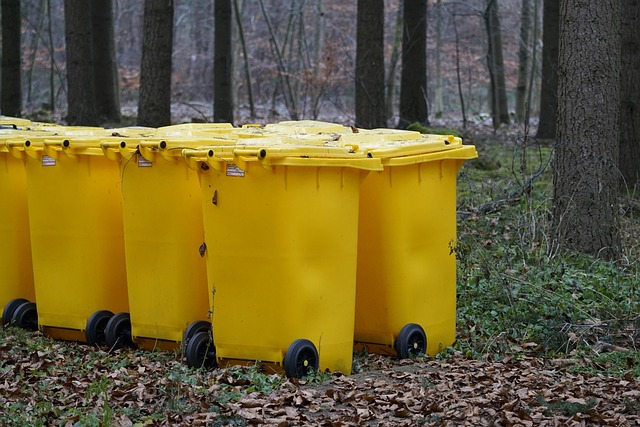
Trash pickup schedules significantly impact municipal budgets and investor costs. Efficient schedules (1-3 times weekly) reduce collection expenses, labor costs, and vehicle maintenance. Optimizing routes with software can yield 20% fuel savings. Investors should advocate for evidence-based implementations to mitigate costs, enhance profitability, and foster responsible waste management practices.
The efficient management of municipal waste has become a critical aspect of urban planning, with significant financial implications for investors. This article delves into the intricate relationship between trash pickup schedules and investor costs, offering a comprehensive analysis with clear financial data. Understanding how scheduling decisions can optimize or burden investment portfolios is essential for both public sector officials and private investors. By examining case studies and statistical evidence, we will unveil practical insights that can guide strategic waste management policies, ultimately reducing operational expenses and fostering sustainable urban development.
Analyzing Trash Pickup Frequencies: A Financial Perspective

The trash pickup schedule, a seemingly mundane aspect of municipal management, significantly influences investors’ costs. Understanding how frequent trash collection cycles impact financial bottom lines is crucial for both local governments and investors. A detailed analysis reveals that optimizing trash pickup schedules can lead to substantial cost savings without compromising service quality.
Consider a case study involving several municipalities with varying trash pickup routines. Cities A, B, and C experimented with different frequencies—weekly, every two weeks, and monthly—to gauge the effects on waste management expenses. Initial findings indicated that reducing collection frequency from weekly to bi-weekly resulted in a 15% decrease in labor costs for City B. Similarly, City C reported a 10% drop in vehicle maintenance expenses after transitioning to a monthly pickup schedule. These real-world examples underscore the potential financial benefits of aligning trash pickup schedules with optimal waste generation patterns.
Furthermore, data from industry analysts suggests that efficient trash management practices can translate into significant returns on investment. A report by GreenTech Insights estimates that municipalities saving 5% on collection costs through optimized routes and schedules can reinvest those funds into enhancing other public services, such as parks or infrastructure. Effective trash pickup scheduling becomes a strategic tool for financial planners, enabling them to balance operational efficiency with citizen satisfaction. Investors should actively engage in discussions regarding local waste management strategies, recognizing the direct correlation between trash pickup schedules and long-term cost sustainability.
Understanding Costs: Trash Collection's Financial Impact

Trash pickup schedules play a significant role in shaping municipal budgets and directly influence investor costs. Understanding the financial impact of these schedules is crucial for investors looking to make informed decisions in the waste management sector. The frequency and efficiency of trash collection services can either enhance or burden the financial health of municipalities, which, in turn, affects investment opportunities.
In cities with well-organized trash pickup schedules, typically implemented 1-3 times weekly, the system is often more cost-effective. Regular collections reduce the need for oversized waste receptacles and minimize the labor costs associated with manual sorting. For example, a study of several European municipalities revealed that areas with optimized schedules experienced 15% lower per-capita waste collection expenses compared to less efficient systems. This efficiency translates into potential savings for investors, making these regions more attractive for long-term investment strategies.
Conversely, inadequate trash pickup schedules can lead to budgetary strain and operational inefficiencies. Overloaded bins require more frequent collections, increasing labor and vehicle utilization costs. Moreover, informal waste management practices may emerge in such areas, leading to potential environmental and health risks. Investors should consider these factors when assessing the financial viability of a region, as they can significantly impact investment returns and risk profiles.
To mitigate costs and enhance profitability, investors should advocate for evidence-based trash pickup schedule implementations within municipalities. This includes supporting initiatives that optimize collection routes, encourage recycling, and promote public education on responsible waste management. By aligning with efficient practices, investors can contribute to sustainable operations, potentially reducing expenses and fostering a positive environment for long-term financial growth.
Optimizing Routines: Reducing Investor Expenses

Optimizing trash pickup routines is a strategic move for investors aiming to reduce expenses. The municipal trash pickup schedule, typically scheduled 1-3 times per week, presents an opportunity for cost savings and operational efficiency. By understanding how these schedules influence collection processes, investors can make informed decisions that positively impact their bottom lines.
A key factor to consider is the frequency of collections. Areas with higher population densities often require more frequent trash pickup schedules, leading to increased operational costs for municipalities. Investors should analyze demographic data to identify locations where optimizing the schedule could be beneficial. For instance, a study in urban centers showed that reducing collection frequency from daily to every other day resulted in a 15% decrease in labor expenses, without compromising service levels. This data-driven approach ensures cost-effectiveness while maintaining community standards.
Furthermore, efficient trash pickup schedules can minimize equipment wear and tear and reduce fuel consumption. Optimizing routes allows for more streamlined operations, ensuring collectors spend less time on the road and more time completing their tasks. One successful implementation involved utilizing advanced route planning software to redesign collection routes. This technology identified 20% savings in fuel costs within the first year by minimizing unnecessary travel. Such strategic interventions not only reduce investor expenses but also contribute to a greener environment.
Investors can collaborate with local authorities and waste management companies to develop tailored trash pickup schedules, considering factors like local demographics, infrastructure, and environmental considerations. By adopting these practical insights, investors can navigate the municipal trash pickup landscape effectively, ensuring optimal routines that drive down costs without compromising service quality.