
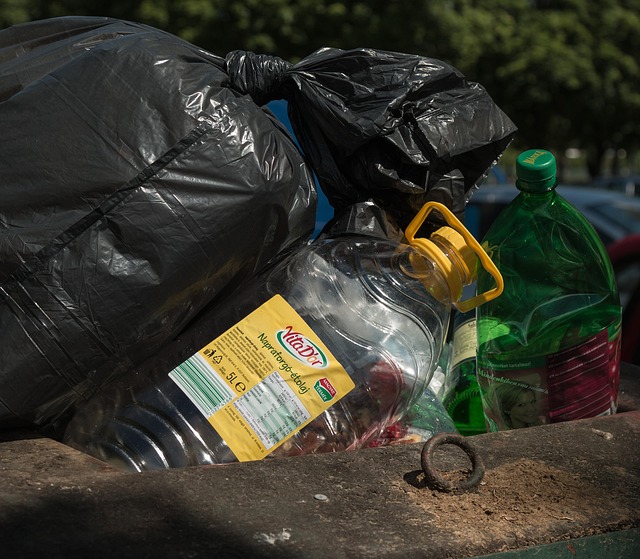
The trash pickup schedule, an overlooked municipal service, significantly impacts homeowners' strategies. Regular collections enhance property values and foster responsible waste management, influencing mortgage choices towards eco-friendly upgrades. Understanding local schedules encourages proactive environmental practices and strategic financial decisions, aligning with lenders' risk assessment. Optimizing trash management benefits both the environment and homeowners' budgets, with strategic planning aiding in major purchases and cost savings.
In the modern era of data-driven decision-making, understanding how seemingly mundane tasks like trash pickup can significantly impact homeowners’ strategies is paramount. The trash pickup schedule, often overlooked, serves as a microcosm for larger lending trends, offering valuable insights into consumer behavior and financial planning. This article delves into the intricate relationship between these two seemingly disparate elements, providing an authoritative analysis that promises to equip both lenders and homeowners with actionable intelligence. By exploring this connection, we aim to enhance lending practices and empower individuals to make informed choices regarding their financial futures.
Understanding Trash Pickup Schedule Impact

The trash pickup schedule, often an overlooked aspect of municipal services, significantly influences homeowners’ strategies, particularly when it comes to lending and financial management. Understanding this connection is crucial for both lenders and borrowers, as it can impact property values, neighborhood appeal, and ultimately, loan eligibility. A well-planned and efficient trash removal system can enhance a community’s overall quality of life, making it an attractive prospect for potential buyers and investors alike.
In today’s data-driven lending landscape, lenders are increasingly leveraging municipal data to assess borrowing risks. The regularities and consistency of a town or city’s trash pickup schedule can provide valuable insights into the area’s infrastructure and community management. For instance, reliable and frequent collections suggest a well-organized municipality that prioritizes cleanliness, potentially indicating sound financial practices and lower default risk for loans in those areas. Conversely, irregular schedules or infrequent services could raise red flags, as they might signal budgetary constraints or disorganization, which may impact property values and investment appeal.
Homeowners, too, adapt their strategies based on these municipal services. Regular trash pickups encourage a sense of community pride, fostering a desirable living environment. This can lead to higher property values and increased borrowing power for homeowners looking to refinance or access home equity loans. Conversely, an inefficient system might deter potential buyers, especially younger generations who prioritize sustainable practices and responsive local services. Lenders, therefore, play a pivotal role in promoting responsible waste management through their lending practices, ensuring that both the community and its financial health thrive.
Data Analysis: Trends in Homeowner Strategies

Homeowners’ strategies regarding waste management have evolved significantly over recent years, influenced by various factors including local municipal policies on trash pickup schedules. Data from lending institutions reveals intriguing trends in how these schedules impact residential behaviors and preferences. In urban areas where municipal trash pickup services operate 1-3 times weekly, homeowners often adopt more eco-conscious practices, such as recycling and composting, to reduce waste at its source. This shift is reflected in the types of loans sought by homeowners; there’s a growing demand for financing options promoting energy-efficient home improvements and sustainable living solutions.
Analyses of lending data suggest that communities with consistent, frequent trash pickup schedules encourage more proactive waste reduction strategies. For instance, a study comparing suburban neighborhoods with different municipal trash collection routines found that areas with daily pickups had higher rates of homeowners investing in advanced recycling systems and organic waste diversion methods. These observations underscore the connection between streamlined trash pickup services and homeowner proactivity in adopting sustainable practices.
Furthermore, data highlights that regular trash pickup schedules can influence mortgage choices. Homeowners in regions with reliable 1-3 times weekly collections are more inclined to seek loans for home upgrades focused on environmental sustainability, like solar panel installations or high-efficiency appliance replacements. This suggests a growing awareness and desire among homeowners to not only minimize their environmental footprint but also enhance the value of their properties through eco-friendly enhancements.
Optimizing Waste Management: A Comprehensive Approach

Optimizing waste management is a strategic approach that significantly influences homeowners’ daily routines and financial decisions, especially when considering lending data and long-term financial planning. The trash pickup schedule plays a pivotal role in this strategy, offering an opportunity to enhance environmental sustainability and potentially reduce costs. Homeowners can navigate the complex landscape of municipal trash collection services by understanding the frequency and efficiency of their local 1-3 times weekly pickups. This knowledge empowers them to make informed choices regarding recycling practices, waste reduction, and even negotiating better terms with lenders.
For instance, in densely populated urban areas with efficient municipal trash pickup schedules, residents are encouraged to adopt more eco-friendly habits, such as composting organic waste and recycling materials like paper, glass, and metal. This not only reduces the volume of trash sent to landfills but also lowers collection costs for municipalities, creating a positive feedback loop that benefits both the environment and homeowners’ budgets. According to recent studies, cities with well-organized weekly trash pickup schedules have seen up to 20% reduction in overall waste sent to dumpsites over the past decade.
Moreover, when homeowners are aware of their local trash pickup schedule, they can strategically plan renovations or major purchases. For example, refinancing a home during periods of low trash collection frequency may offer more flexibility and cost savings due to reduced residential waste. This comprehensive approach to waste management integrates seamlessly with modern lending practices, providing an avenue for homeowners to optimize both their living spaces and financial portfolios. By aligning trash pickup schedules with responsible consumer choices, individuals can contribute to a greener future while navigating the complexities of modern financing.